

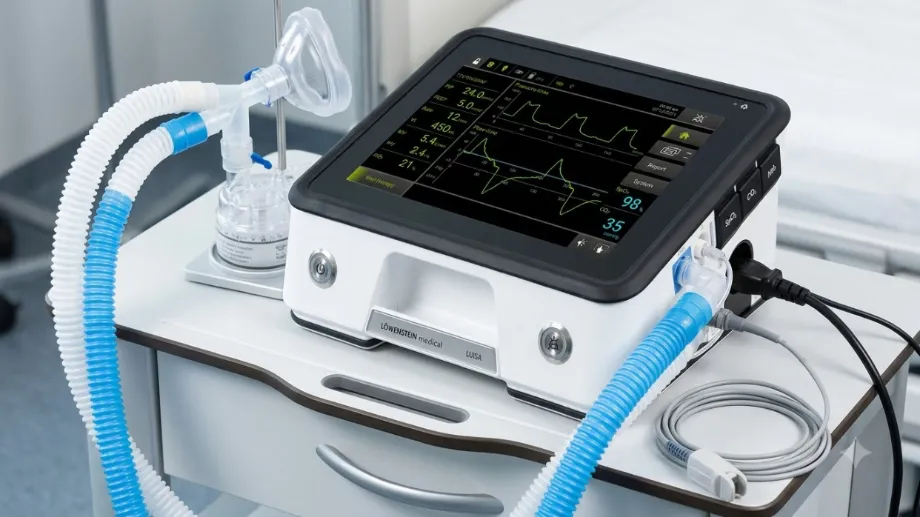
Daily Care Checklist for a Home Ventilator Patient
Caring for a ventilator-dependent patient at home is a routine that becomes manageable once it has structure. Here's what a well-run day looks like.
Morning Routine
Start the day with patient checks, skin checks and a review of overnight machine activity.
- Check oxygen saturation and pulse before getting the patient out of bed
- Inspect skin around the mask or tracheostomy site for redness or pressure marks
- Clean or change tracheostomy dressing as instructed by the nurse/doctor
- Review the ventilator display for any overnight alarms logged
Through the Day
Care during the day focuses on positioning, secretion clearance and keeping the circuit safe.
- Reposition the patient every 2 hours to prevent bed sores
- Clear secretions via suction as needed, following the technique shown by hospital staff
- Maintain hydration and nutrition — thicker secretions are harder to clear
- Keep the circuit and mask/tracheostomy tube free of kinks or pressure
Cleaning Schedule
Follow the equipment provider and manufacturer schedule for cleaning and replacement.
- Daily: Wipe down external surfaces of the machine; clean mask cushion
- Weekly: Clean/replace filters as per manufacturer guidance; check humidifier chamber
- As advised: Full circuit replacement on the schedule given by your equipment provider
Understanding Alarms
Use this quick guide for common alarm types and immediate checks.
| Alarm Type | Likely Cause | Immediate Action |
|---|---|---|
| Low pressure | Disconnection or leak | Check all tubing connections |
| High pressure | Blockage or secretions | Suction and check for kinks |
| Power failure | Mains power lost | Confirm battery backup is engaged |
| Apnea | Breathing pause detected | Check patient immediately |
When to Call the Doctor Immediately
Do not wait for the next appointment when these warning signs appear.
- Sudden drop in oxygen saturation that doesn't recover
- Bluish lips, face, or fingertips
- Unresponsiveness or unusual drowsiness
- Repeated alarms with no obvious cause
- Fever with change in secretion colour or smell
Emotional Care Matters Too
Long-term ventilator care is demanding on caregivers as well as patients. Sharing responsibilities among family members and taking scheduled breaks helps sustain quality care over months and years.
How Srivari Healthcare Helps
Need a second opinion on your daily routine? Our care team can walk through it with you over a call.