

Understanding Ventilator Support in COPD
Chronic Obstructive Pulmonary Disease (COPD) makes breathing progressively harder as the airways narrow and the lungs lose elasticity. In moderate to severe COPD — especially after a hospitalization for an exacerbation — a doctor may prescribe home ventilator support to reduce the effort of breathing and prevent repeat hospital visits.

When Ventilator Support Is Usually Recommended
A pulmonologist may consider home ventilator support when COPD symptoms and test results show that standard therapy is no longer enough.
- Recurrent CO2 retention (hypercapnia) confirmed by blood gas tests
- Repeated hospital admissions for breathlessness
- Persistent low oxygen despite standard inhaler/oxygen therapy
- Night-time breathing difficulty or morning headaches (a sign of overnight CO2 buildup)

Type of Support Typically Used
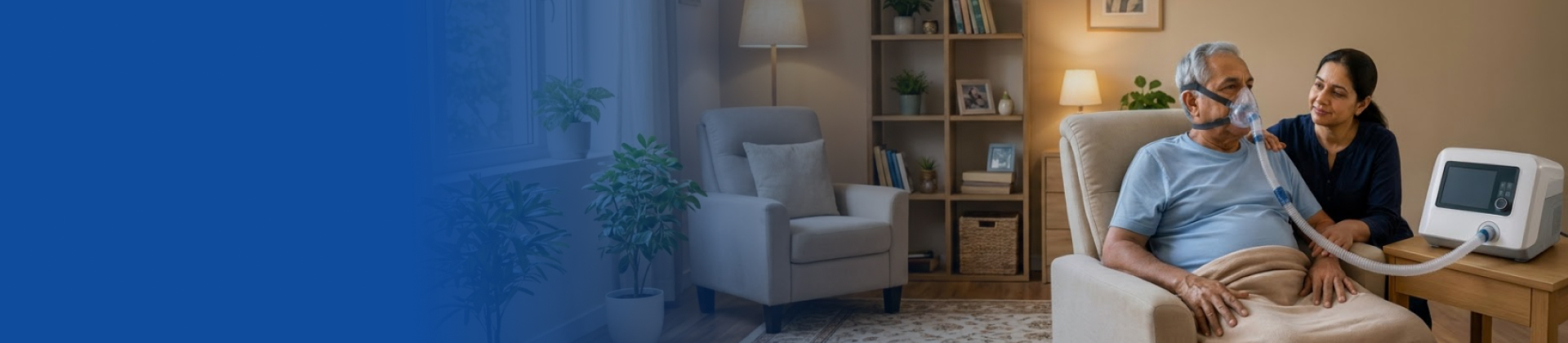
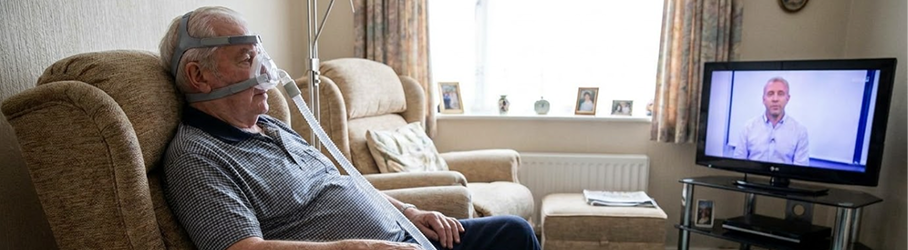
Most COPD patients start with Non-Invasive Ventilation (NIV) — a mask-based system (BiPAP-style) rather than a tracheostomy-based ventilator. This supports breathing during sleep or flare-ups without surgery.

Living With a Home Ventilator as a COPD Patient
Daily use and mask care are central to getting benefit from therapy.
- Use the mask/machine exactly for the hours prescribed — skipping sessions reduces benefit
- Keep the mask clean and correctly fitted to avoid air leaks and skin sores
- Track oxygen saturation daily, especially during weather changes
- Continue prescribed inhalers and pulmonary rehabilitation exercises alongside the ventilator

When to Call the Doctor
Increased breathlessness despite ventilator use, blue lips/fingertips, confusion, or a persistent cough with colour change in phlegm are all reasons to seek medical attention promptly, not to wait for the next appointment.

How Srivari Healthcare Helps
Srivari Healthcare supplies and services NIV and invasive home ventilators for COPD patients across Chennai, with caregiver training included.