

How does a CPAP work to treat sleep apnea
If you have been told that you need to use a continuous positive airway pressure (CPAP) machine to treat your [...]
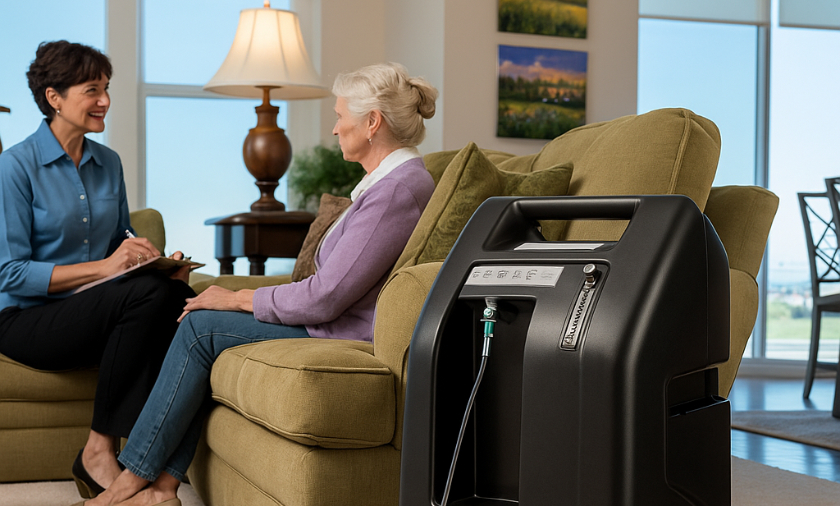
If you have been told that you need to use a continuous positive airway pressure (CPAP) machine to treat your sleep apnea, you may wonder how a CPAP machine works. Not tested yet? A home sleep study can be done in your own bed before you choose a machine.
Here, you’ll learn how these devices relieve snoring and sleep apnea with pressurized air and what special considerations may be necessary if you have central sleep apnea.
How CPAP Works
Modern CPAP machines work based on the same principles as the initial devices developed by Dr. Sullivan. The pressures are now generated with smaller, quieter motors. Nevertheless, room air (not oxygen) is taken in through a filter and pressurized according to settings prescribed by your sleep specialist. Machines are set to deliver a pressure from 4 centimeters of water pressure (CWP) up to a maximum of 25 CWP. This air is often passed through a heated humidifier and delivered via tubing to the mask interface.
The constant flow of pressurized air creates a cushion along the upper airway. Some have described it as a pneumatic (air) splint that keeps the throat from collapsing. This prevents the soft palate, uvula, and tongue from shifting into the airway. It reduces the vibration that creates the sound of snoring. It may relieve swelling within the nose and clear out mucus from along the airway. By supporting the airway, breathing normalizes and sleep quality improves as fragmented sleep resolves. Oxygen levels can be maintained. The serious consequences of sleep apnea can be averted
Symptoms and Risks
Some inevitably worry about the consequences of seemingly artificial or “unnatural” CPAP therapy. Fortunately, there are surprisingly few side effects.
The most common problems associated with CPAP use are dry mouth and air swallowing (aerophagia). 3The lungs cannot blow out (the pressures used are too low). It does not worsen asthma or COPD. Rather than causing a stroke, therapy actually reduces the risk of having one.4 The nasal sinuses and inner ears are not typically impacted by the treatment though case reports suggest it is possible for small amounts of pressure to be transuded across the tissues of the face.
There is some evidence that an overly tight or restrictive mask could affect the growth of the mid-face in children, but this can be monitored to avoid these impacts.
Looking for a CPAP machine in Chennai?
Löwenstein prisma SMART auto CPAP — buy or rent monthly with free home delivery, mask fitting and 24/7 clinical support.
Not diagnosed yet?
CPAP and BiPAP therapy start with a diagnosis. A sleep apnea test can be done at home or in a sleep lab in Chennai. Bring the report to your doctor before choosing a machine.
Buy or rent in Chennai
CPAP machines in Chennai
Free home delivery, installation by a respiratory therapist and 24/7 support. Authorized Löwenstein Medical dealer.
- Buyprisma SMART auto CPAPView page
- Buyprisma SMART plusView page
- Rentprisma SMART — monthly rentalView page
CPAP machine priceBest CPAP machineAll CPAP productsSleep apnea testRental enquiryAsk for a quoteAll products
More in Sleep & Respiratory Health
View all → Sleep & Respiratory Health
How to Choose a Home NIV Ventilator: 10 Things to Check Before Buying
7 October 2026
 Sleep & Respiratory Health
Home NIV Setup: Equipment, Mask, Cleaning and Caregiver Tips
6 October 2026
 Sleep & Respiratory Health
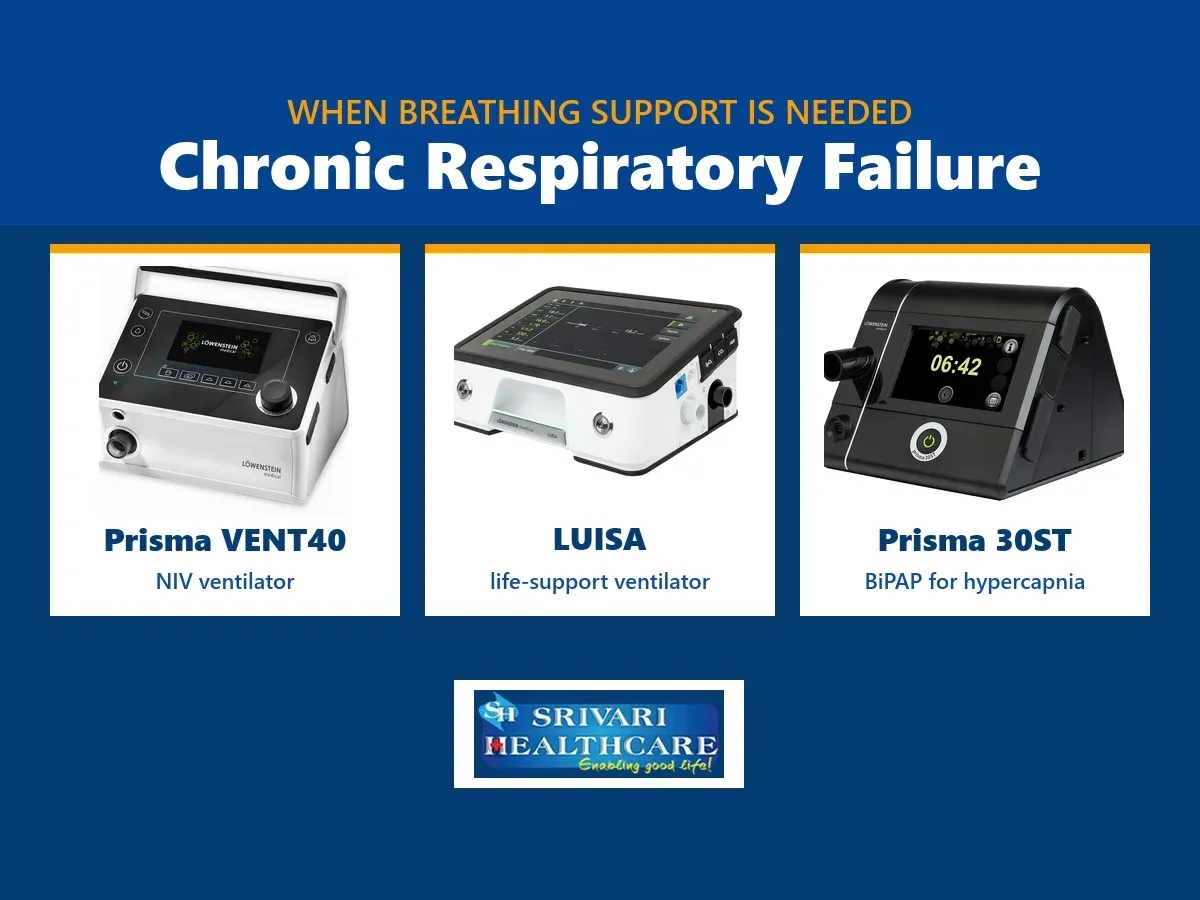
Chronic Respiratory Failure: Understanding When Breathing Support May Be Needed
5 October 2026