
Portable Polysomnography System: A Simple Guide to Sleep Testing
Learn how a portable polysomnography system works, what it measures, its benefits, and how hospitals and sleep clinics can choose PSG sleep study equipment.

Sleep problems such as loud snoring, pauses in breathing, excessive daytime sleepiness, and repeated nighttime awakenings can sometimes indicate an underlying sleep disorder. A portable polysomnography system helps healthcare professionals record important physiological signals during sleep and evaluate how a person sleeps.
Unlike a traditional sleep study that requires a patient to stay overnight in a sleep laboratory, portable polysomnography equipment can be designed to make sleep monitoring more convenient and flexible, depending on the system and the type of study prescribed.
This guide explains what a portable polysomnography system is, how it works, what it measures, its benefits, and how it can be used by hospitals, sleep clinics, and healthcare professionals.
What Is a Portable Polysomnography System?
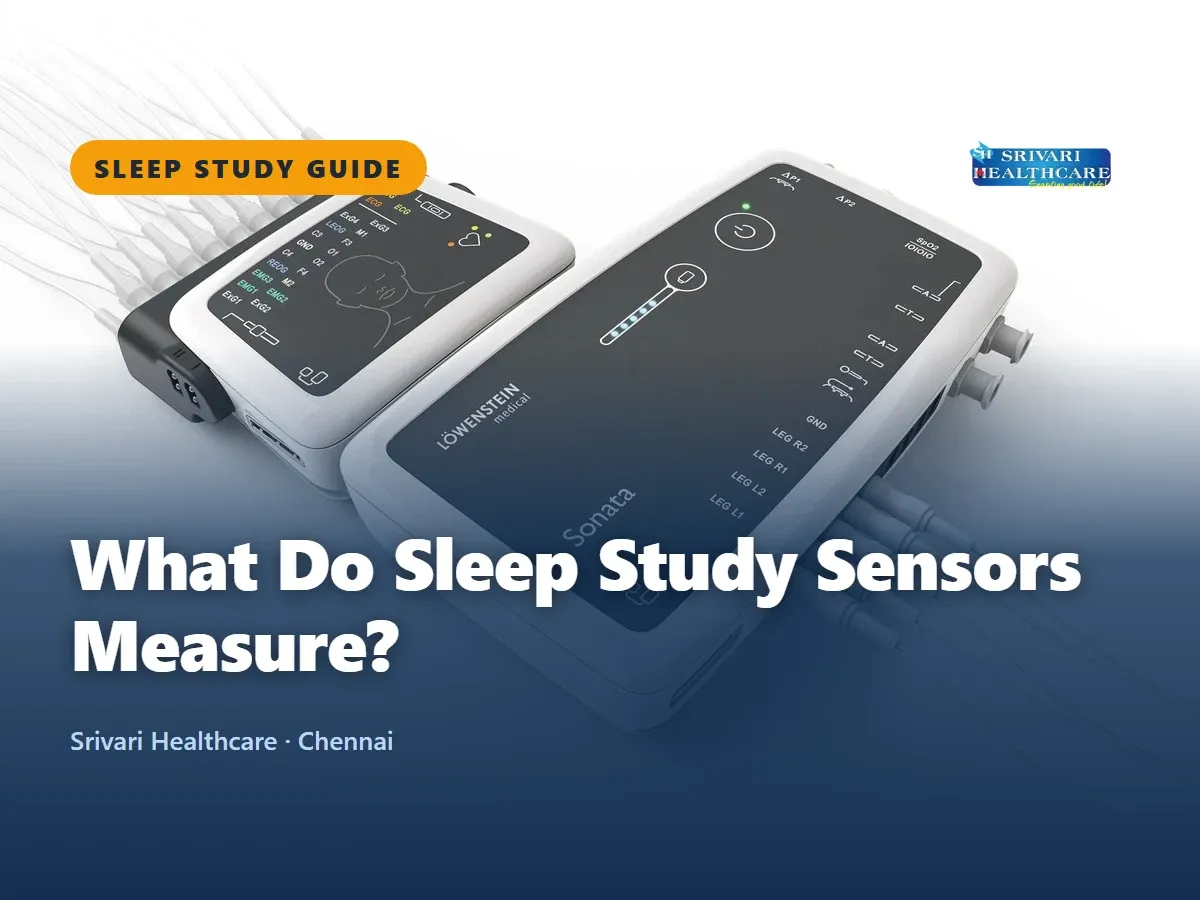
A portable polysomnography system (portable PSG system) is a medical device used to record multiple physiological signals while a person is sleeping.
Polysomnography, commonly called a sleep study or PSG, can monitor signals such as:
- Brain activity (EEG)
- Eye movements (EOG)
- Muscle activity (EMG)
- Heart activity (ECG)
- Blood oxygen saturation (SpO2)
- Breathing airflow
- Respiratory effort
- Body position
- Leg movements
- Pulse or heart rate
The exact channels available depend on the specific polysomnography system and configuration.
The recorded information can help qualified sleep specialists assess sleep architecture, breathing abnormalities, oxygen desaturation, movement-related events, and other indicators associated with sleep disorders.
How Does a Portable Polysomnography System Work?
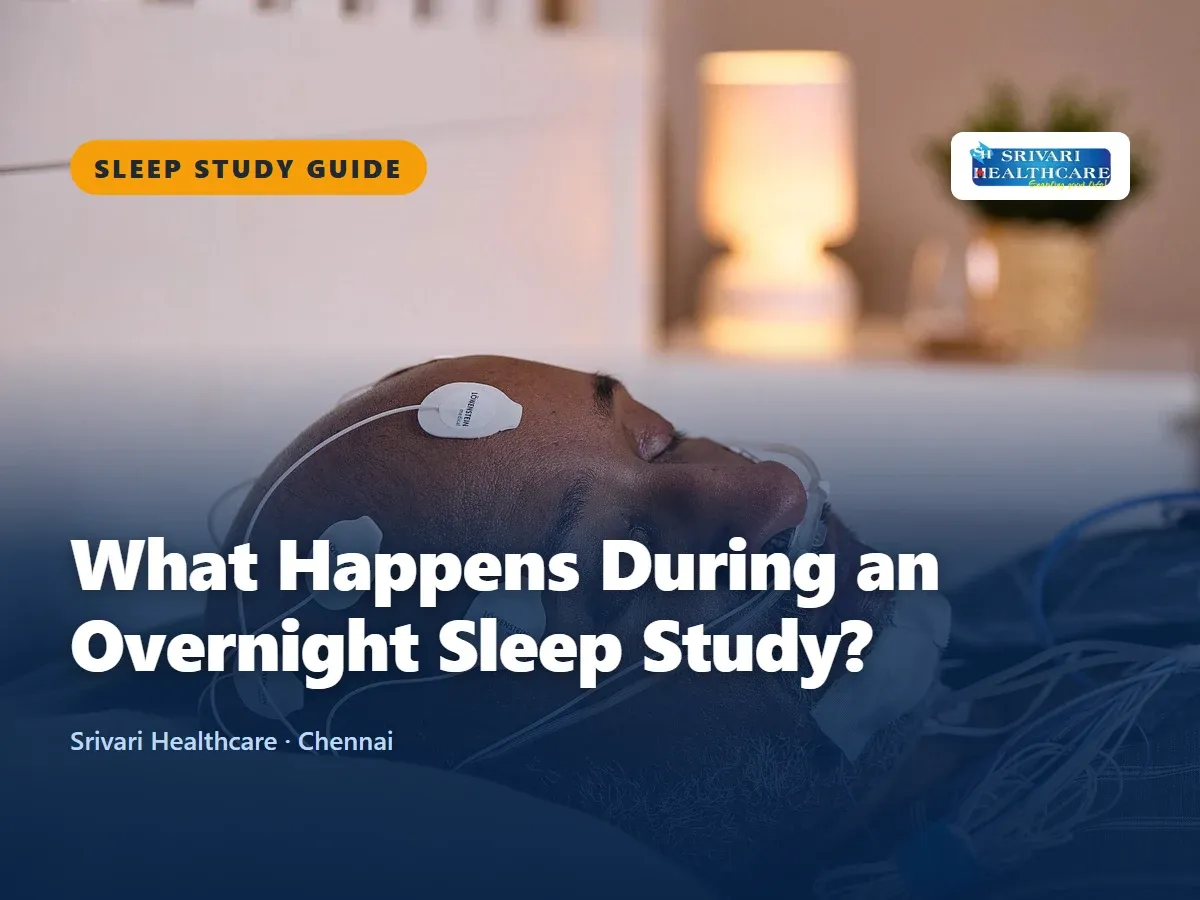
A portable polysomnography system generally works by connecting sensors to the patient before sleep.
The process typically includes:
1. Patient Preparation
A trained healthcare professional explains the sleep study and prepares the patient for sensor placement.
2. Sensor Placement
Depending on the study, sensors may be placed to monitor brain activity, eye movements, muscle activity, heart activity, breathing, oxygen saturation, and body movements.
3. Overnight Recording
The patient sleeps while the portable PSG device records physiological signals.
Depending on the type of study, monitoring may take place in a sleep laboratory, hospital, clinic, or another appropriate setting.
4. Data Review
After the recording, the collected data is analyzed using appropriate software and reviewed by a qualified sleep professional.
5. Sleep Study Report
The results can help the healthcare team evaluate the patient's sleep and identify findings that may require further assessment or treatment.

What Does Portable Polysomnography Measure?
One of the main advantages of polysomnography is that it can monitor multiple body functions simultaneously.
Brain Activity
EEG sensors record electrical activity in the brain. This information helps identify different stages of sleep.
Eye Movements
EOG records eye movements and helps identify sleep stages, particularly REM sleep.
Muscle Activity
EMG can monitor muscle activity and may help identify abnormal movements during sleep.
Heart Activity
ECG records the heart's electrical activity during the study.
Breathing
Airflow and respiratory-effort sensors can provide information about breathing patterns during sleep.
Oxygen Saturation
A pulse oximeter measures blood oxygen saturation and pulse rate. Changes in oxygen saturation can be important when evaluating sleep-related breathing problems. For patients who also need oxygen equipment, see our 10 LPM oxygen concentrator product information.
Body Position
Body-position monitoring can help healthcare professionals understand whether certain respiratory events are associated with sleeping position.
Portable PSG vs. Home Sleep Apnea Testing
Portable polysomnography and Home Sleep Apnea Testing (HSAT) are not necessarily the same thing.
A portable PSG system may record a broader range of physiological signals, while many home sleep apnea tests focus primarily on parameters used to evaluate suspected obstructive sleep apnea.
The appropriate test depends on the patient's symptoms, medical history, clinical requirements, and the healthcare professional's recommendation.
A sleep specialist can determine whether a comprehensive polysomnography study or another type of sleep test is appropriate. Patients can also learn more about sleep study testing in Chennai.
What Are the Benefits of a Portable Polysomnography System?
Portable PSG technology can provide several practical benefits for healthcare providers.
Flexible Sleep Testing
Portable systems can offer flexibility in where sleep monitoring is performed, depending on the device and clinical protocol.
Multiple Physiological Signals
A PSG system can record several physiological parameters during the same sleep session.
Convenient Data Collection
Portable equipment can make it easier for trained professionals to conduct sleep studies in different clinical environments.
Useful for Sleep Clinics
Sleep clinics can use portable polysomnography equipment as part of their diagnostic workflow when appropriate.
Support for Sleep Disorder Evaluation
The recorded data can assist qualified sleep specialists in evaluating suspected sleep disorders.
Who May Need a Polysomnography Sleep Study?
A doctor may recommend a sleep study when a patient has symptoms or clinical concerns such as:
- Loud or persistent snoring
- Witnessed pauses in breathing
- Excessive daytime sleepiness
- Frequent nighttime awakenings
- Unexplained fatigue
- Abnormal movements during sleep
- Suspected sleep-related breathing disorders
- Other symptoms requiring sleep evaluation
A sleep study should be recommended based on an appropriate clinical assessment.
Portable Polysomnography System for Hospitals and Sleep Clinics
Hospitals and sleep clinics need reliable sleep diagnostic equipment that fits their clinical workflow.
When selecting a portable polysomnography system, healthcare providers may consider:
- Number of recording channels
- EEG, EOG and EMG capabilities
- ECG monitoring
- Respiratory channels
- SpO2 monitoring
- Body-position measurement
- Sensor compatibility
- Recording duration
- Data-storage capacity
- Analysis software
- Report-generation capabilities
- Ease of setup
- Technical support
- Training and service availability
The right system depends on the type of sleep studies performed and the requirements of the healthcare facility. Srivari Healthcare supplies the SONATA polysomnography system for sleep diagnostic workflows.

Sleep study and CPAP therapy in Chennai
Home sleep test with Scala / SAMOA, Sonata polysomnography in our sleep lab — and the CPAP or BiPAP therapy that follows.
How to Choose a Portable Polysomnography System
Before purchasing a portable PSG system, hospitals and sleep laboratories should evaluate their clinical and operational requirements.
Consider the Recording Channels
Determine which physiological signals need to be monitored for the sleep studies being performed.
Check Software and Analysis Features
Look for software that supports efficient data review, event identification, analysis, and reporting.
Evaluate Patient Comfort
Sensor design, device size, and ease of setup can influence the patient's experience during an overnight study.
Consider Service and Training
Technical support and user training are important when introducing sleep diagnostic equipment into a hospital or sleep clinic.
Look at Long-Term Support
Consider accessories, replacement sensors, software support, maintenance, and after-sales service.
Portable Polysomnography System in India
The demand for sleep diagnostic services is increasing as more people and healthcare professionals recognize the importance of identifying sleep-related disorders.
Hospitals, pulmonology departments, sleep clinics, and diagnostic centers in India can use appropriate polysomnography equipment to support professional sleep-study services.
For facilities in Chennai and Tamil Nadu, selecting a sleep diagnostic equipment provider with product knowledge, technical assistance, installation support, and after-sales service can be especially important.
Portable Polysomnography System in Chennai
Healthcare providers searching for a portable polysomnography system in Chennai should consider both the equipment and the support available after purchase.
A reliable medical-equipment partner can help healthcare facilities understand system specifications, accessories, installation requirements, user training, and maintenance.
Srivari Healthcare provides respiratory and sleep-care equipment solutions for hospitals, clinics, sleep laboratories, and healthcare professionals in Chennai and other locations.
Conclusion
A portable polysomnography system can be an important part of modern sleep diagnostics. By recording multiple physiological signals during sleep, PSG equipment provides sleep professionals with detailed information that can support the evaluation of sleep-related conditions.
When choosing a portable PSG system, hospitals and sleep clinics should look beyond the device itself and consider recording capabilities, software, patient comfort, technical support, training, accessories, and long-term service.
If you are looking for portable polysomnography equipment in Chennai or India, speak with a qualified medical-equipment provider to identify a system that matches your clinical and operational requirements.
Srivari Healthcare can assist hospitals, sleep clinics, doctors, and healthcare professionals with sleep diagnostic and respiratory-care equipment requirements.
Frequently Asked Questions
What is a portable polysomnography system?
A portable polysomnography system is medical sleep-testing equipment that records multiple physiological signals during sleep, such as brain activity, eye movements, muscle activity, heart activity, breathing, and oxygen saturation.
What is the difference between PSG and a sleep study?
Polysomnography (PSG) is a comprehensive type of sleep study that records multiple physiological signals during sleep. The term "sleep study" can also refer to other types of tests, including home sleep apnea testing.
What does a portable PSG system measure?
Depending on the system, portable PSG can measure EEG, EOG, EMG, ECG, airflow, respiratory effort, SpO2, body position, leg movements, and other physiological parameters.
Is portable polysomnography the same as a home sleep apnea test?
No. A portable PSG system can record multiple physiological signals, while many HSAT devices are specifically designed to evaluate suspected obstructive sleep apnea using a more limited set of parameters.
How long does a polysomnography test take?
A typical overnight polysomnography study involves recording sleep-related signals throughout the night. The exact duration depends on the test protocol and clinical requirements.
Is portable polysomnography suitable for hospitals?
Yes. Portable polysomnography systems can be useful for hospitals and sleep clinics when their features, workflow, and clinical applications match the facility's requirements.
Can portable polysomnography diagnose sleep apnea?
Polysomnography can provide important data used by qualified healthcare professionals when evaluating sleep apnea and other sleep disorders. Diagnosis should be made by an appropriately qualified clinician based on the complete clinical assessment and sleep-study findings.
How much does a portable polysomnography system cost in India?
The price varies depending on the manufacturer, number of channels, sensors, software, accessories, configuration, and support package. Hospitals and sleep clinics should request a quotation based on their specific requirements.
Where can I buy a portable polysomnography system in Chennai?
Healthcare facilities can contact established medical-equipment suppliers in Chennai for information about available portable PSG systems, specifications, demonstrations, installation, training, and after-sales support.
Buy or rent in Chennai
Sleep study test in Chennai
Free home delivery, installation by a respiratory therapist and 24/7 support. Authorized Löwenstein Medical dealer.
- DeviceHome sleep study equipment — ScalaView page
- LabSonata polysomnographyView page
- Buyprisma SMART auto CPAPView page
Home sleep study in ChennaiSleep apnea test in ChennaiSleep lab ChennaiSleep study equipmentAll sleep diagnosticsRental enquiryAsk for a quoteAll products