
Sleep Apnea and Heart Problems: AF, Heart Failure and Stroke
What breathing pauses do to the heart, the heart conditions linked to sleep apnea, who should get tested, and what treatment can do.
Your heart works through the night, and it relies on steady breathing to do it. When breathing keeps stopping, as it does in obstructive sleep apnea, the heart is put under strain hundreds of times a night. Over the years that strain is linked to irregular heartbeat, heart failure, heart attack and stroke. The good news: sleep apnea can be found with a simple test and treated.
What happens to the heart during a breathing pause
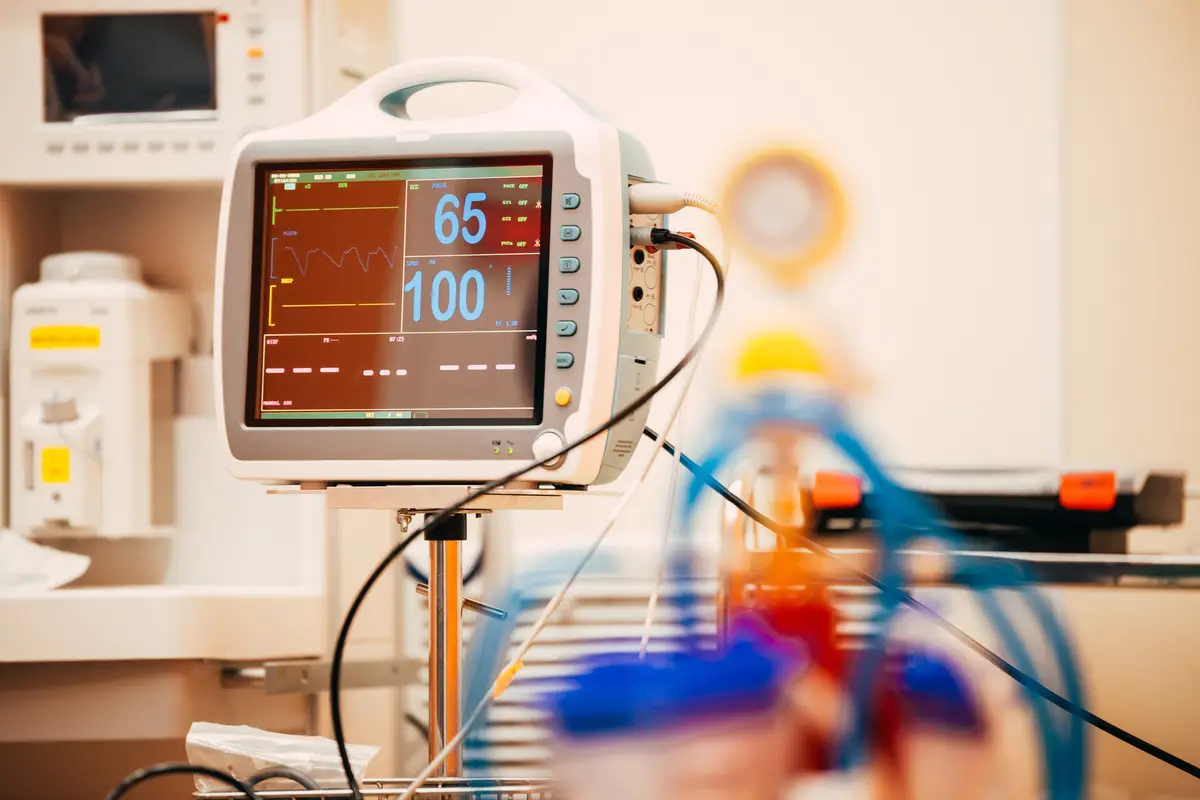
When the airway closes, three things happen at once. Oxygen in the blood falls. The body releases stress hormones that speed up the heart and tighten the blood vessels. And the chest pulls hard against the closed throat, which changes the pressure around the heart itself. Then breathing restarts with a gasp, and the cycle repeats.
A single episode does no harm. Repeated night after night for years, it raises blood pressure, stiffens arteries and stretches the heart's chambers.
Heart conditions linked to sleep apnea
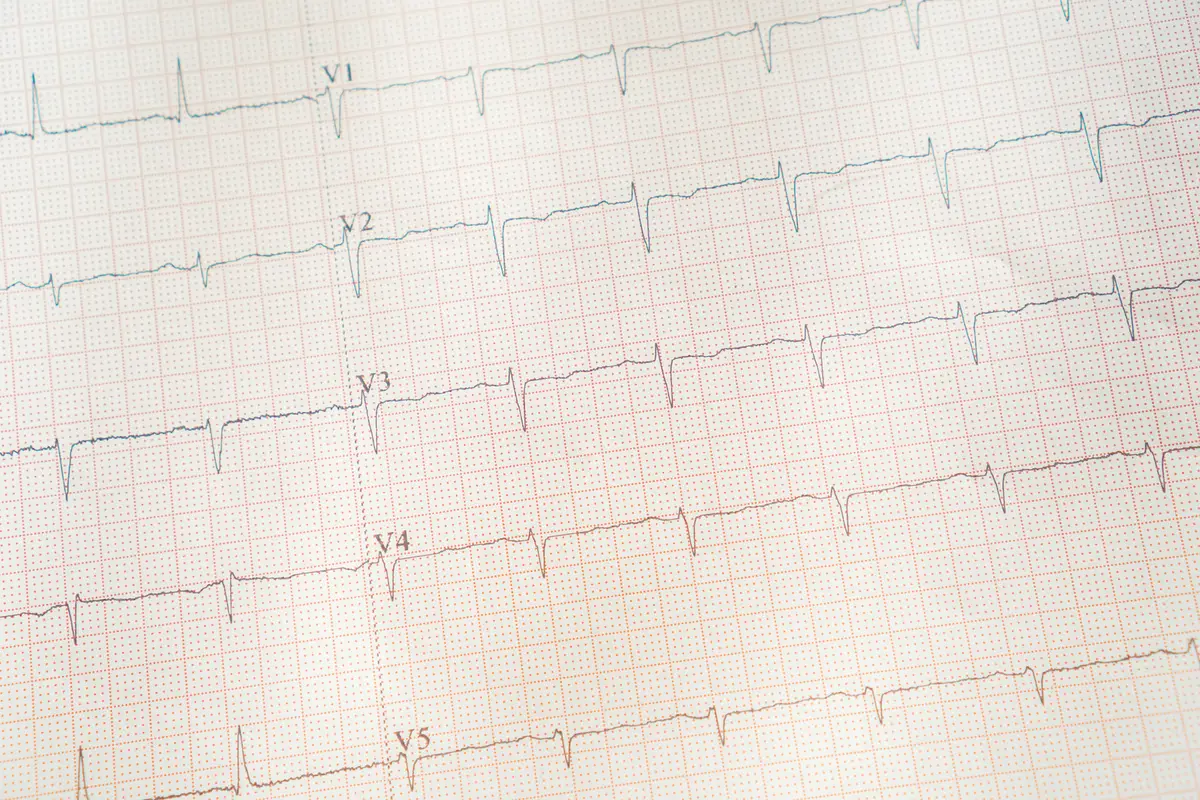
- Atrial fibrillation (AF). An irregular, often fast heartbeat. Sleep apnea is common in people with AF, and untreated sleep apnea is linked to AF coming back after treatment such as ablation or cardioversion.
- High blood pressure, especially the kind that stays high despite several medicines. See sleep apnea and high blood pressure.
- Heart failure. Both obstructive and central sleep apnea are common in heart failure, and each can make the other worse.
- Coronary artery disease and heart attack. Night-time drops in oxygen strain a heart that already has narrowed arteries.
- Stroke. Untreated sleep apnea is recognised as a risk factor for stroke.
Who should get a sleep test
Ask your doctor about a sleep study if you have a heart condition and any of these:
- Loud snoring, or someone has seen you stop breathing or gasp in your sleep
- Daytime sleepiness or waking unrefreshed
- Atrial fibrillation, especially if it keeps returning
- Blood pressure that is hard to control
- Waking at night breathless or with a racing heart
Sleep study and CPAP therapy in Chennai
Home sleep test with Scala / SAMOA, Sonata polysomnography in our sleep lab — and the CPAP or BiPAP therapy that follows.
People with significant heart failure or other serious heart disease may be advised to have the test in a sleep lab, where a technician watches through the night, rather than at home. A sleep lab study also tells central sleep apnea apart from obstructive sleep apnea, which matters for treatment.
What treatment can do for the heart
CPAP keeps the airway open, so the oxygen drops and stress surges stop. Studies show it lowers blood pressure, and in people with atrial fibrillation, treating sleep apnea is linked to fewer recurrences. Whether CPAP prevents heart attacks and strokes is still being studied; the strongest results come from people who use it every night. For some types of sleep apnea seen in heart failure, a BiPAP machine or other device may be advised instead.
Important: chest pain, sudden breathlessness or fainting need emergency care. A sleep test is part of long-term care, not a substitute for urgent treatment.
Frequently asked questions
Can sleep apnea cause an irregular heartbeat?
It is strongly linked to atrial fibrillation and to other rhythm changes at night. A sleep study records heart rate alongside breathing and oxygen.
I have a heart condition. Is a home sleep test safe?
The test itself is safe, but your cardiologist may prefer a lab study if you have significant heart failure or need a more detailed recording. Ask before booking.
How soon can I start treatment after the test?
Once the report confirms sleep apnea and your doctor prescribes therapy, a CPAP machine can be set up at home within days. See CPAP rental in Chennai.
Related: sleep apnea and diabetes, sleep apnea and poor concentration. See all sleep study options and prices in Chennai.
1-minute check
Do you need a sleep study?
Answer six quick questions about your sleep. It tells you whether a test is worth doing, and our team can call you back.
Do you snore loudly, loud enough to be heard through a closed door?
Buy or rent in Chennai
Sleep study test in Chennai
Free home delivery, installation by a respiratory therapist and 24/7 support. Authorized Löwenstein Medical dealer.
- DeviceHome sleep study equipment — ScalaView page
- LabSonata polysomnographyView page
- Buyprisma SMART auto CPAPView page
Home sleep study in ChennaiSleep apnea test in ChennaiKurattai (snoring) treatmentSleep lab ChennaiSleep study equipmentAll sleep diagnosticsRental enquiryAsk for a quoteAll products