

CPAP vs BiPAP for COPD: Which Therapy Do You Actually Need?
CPAP delivers one constant pressure; BiPAP delivers two independent pressures and can add a backup breath — a difference that matters more for COPD patients than most. Here’s how they compare.
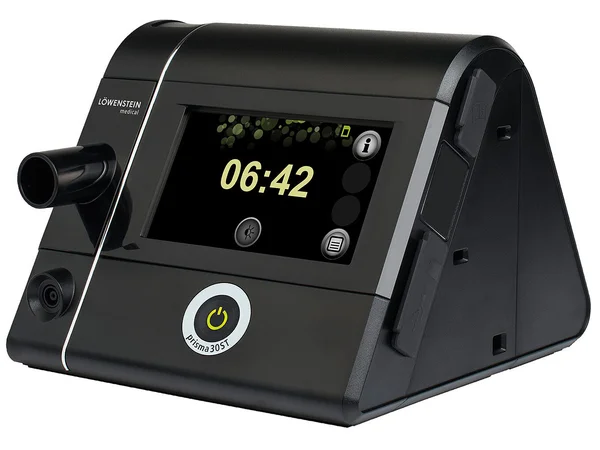
If you or a family member has been diagnosed with COPD (Chronic Obstructive Pulmonary Disease) and a doctor has recommended positive airway pressure therapy, you've likely come across two terms: CPAP and BiPAP. Both are non-invasive breathing support devices, but they work differently — and the choice between them matters more for COPD patients than for most other conditions.
What Is CPAP?
CPAP (Continuous Positive Airway Pressure) delivers a single, constant pressure throughout the breathing cycle — the same pressure whether you're inhaling or exhaling. It's the standard first-line therapy for obstructive sleep apnea (OSA), where the goal is simply to keep the airway physically open.
What Is BiPAP?
BiPAP (Bilevel Positive Airway Pressure) delivers two independent pressures — a higher pressure on inhalation (IPAP) and a lower pressure on exhalation (EPAP). Some BiPAP devices, called BiPAP-ST, add a third feature: a timed backup breath if natural breathing pauses too long. This makes BiPAP a genuinely different therapy, not just a "stronger CPAP."
Why Does This Matter More for COPD?
COPD damages the lungs' ability to exhale fully, which over time can lead to chronic hypoventilation — the lungs retain more carbon dioxide (CO₂) than they should. A constant-pressure CPAP device does nothing to address this; it's built for keeping an airway open, not assisting ventilation. BiPAP's two-pressure design, especially the lower exhalation pressure, makes it easier to breathe out fully, and the added pressure support on inhalation can help the lungs work less hard to move air — both relevant to advanced COPD. See our dedicated guide on BiPAP for COPD for more on who this therapy is typically considered for.
CPAP vs BiPAP — Side by Side
| Aspect | CPAP | BiPAP |
|---|---|---|
| How it works | One constant pressure, all night | Two independent pressures (IPAP/EPAP), can add a backup breath rate |
| Pressure | Single fixed or auto-adjusted pressure | Independently set inhale and exhale pressures |
| Who typically needs it | Straightforward obstructive sleep apnea | Complex/mixed apnea, COPD with hypoventilation, neuromuscular conditions |
| COPD | Not typically sufficient for hypoventilation | Can assist ventilation and help address CO₂ retention |
| Sleep apnea | First-line therapy for OSA | Considered when CPAP pressure is poorly tolerated or insufficient |
| Complex sleep apnea | Not designed for central/mixed events | BiPAP-ST/autoS-T can detect and respond to central events with a backup breath |
| Hospital use | Common for straightforward OSA management | Common for respiratory support in COPD exacerbations and post-surgical care |
| Home therapy | Widely used, simple to operate | Used at home once settings are established and stabilised by a physician |
Need a BiPAP machine — sale or monthly rental?
Prisma 25ST, 30ST and Prisma VENT with battery backup. Home delivery, NIV-trained installation and clinical follow-up across Chennai.
This table is a general educational comparison, not a substitute for medical advice. Which therapy — and which exact settings — is appropriate for you can only be determined by a pulmonologist or sleep physician based on your diagnosis.
So, Is BiPAP Better Than CPAP for COPD?
Not universally "better" — more accurately, BiPAP is considered for a different clinical situation. Many COPD patients do well on CPAP or oxygen therapy alone. BiPAP is typically brought in when a physician identifies chronic CO₂ retention that CPAP isn't addressing, or when a patient has overlapping conditions (like OSA plus COPD) that benefit from bilevel pressure support.
Who Should Make This Decision?
Always a pulmonologist or sleep physician, usually guided by blood gas testing and/or a sleep study. Settings — IPAP, EPAP, backup rate, and mode (S, T, S/T, autoS/T) — are individualised and should never be self-selected or adjusted without medical guidance.
Next Steps
If you think BiPAP therapy might be relevant for your COPD management, the right first step is a conversation with your treating physician, followed by any diagnostic testing they recommend. Srivari Healthcare supplies and services Löwenstein BiPAP machines in Chennai, including the Prisma 25ST and Prisma 30ST, with delivery, installation and clinical support once your physician has prescribed therapy.

