

BiPAP for Neuromuscular Disorders
A Safety Margin When Breathing Effort Is Reduced.
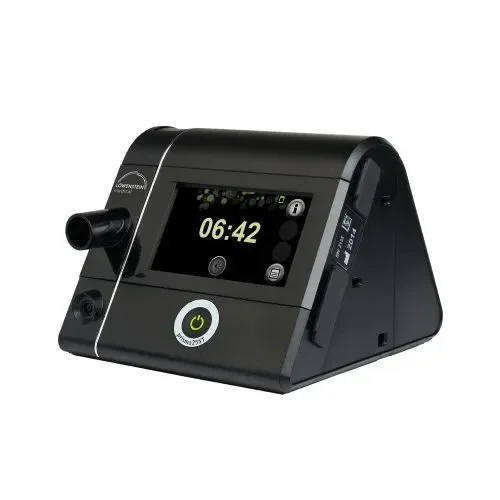
Neuromuscular conditions can weaken the muscles involved in breathing, reducing a patient's own respiratory drive. Under a neurologist's or pulmonologist's guidance, BiLevel-ST devices like the Prisma 25ST can provide pressure support with an automatic backup breath if natural breathing pauses.
Medically reviewed by Dr. K. Senthil Kumar, MD (Pulmonary Medicine), DNB (Respiratory Medicine)
How BiLevel-ST Therapy Helps
Backup Breath Safety
autoBackup Frequency (PRIO S+) delivers a breath automatically if a pause in natural breathing is detected.
Assists Weakened Breathing Muscles
Pressure support helps compensate when respiratory muscle strength is reduced.
Adapts to Your Rhythm
autoS/T continuously adjusts backup frequency and pressure support to track natural breathing patterns.
Suitable for Home Care
Compact (≈1.4 kg) and whisper-quiet, designed for long-term home use alongside caregiver support.
Who Can Benefit?
- Patients with neuromuscular disease affecting respiratory muscles, diagnosed by a neurologist or pulmonologist
- Those with reduced respiratory drive requiring a safety-net backup breath
- Patients continuing hospital-initiated NIV therapy at home
- Always under ongoing physician supervision and periodic review
About Neuromuscular Respiratory Weakness
Conditions affecting the nerves or muscles involved in breathing can progressively reduce a patient's ability to sustain adequate ventilation on their own. Non-invasive BiLevel-ST ventilation supports breathing without more invasive intervention, with the backup breath rate acting as a safety margin — settings are individualised and require regular physician follow-up.
Löwenstein BiPAP Devices Available
How It Works
- 1Takes in room air
- 2Filters out nitrogen and impurities
- 3Concentrates the oxygen
- 4Delivers purified oxygen through a nasal cannula
Tips for Home NIV Therapy
- Never adjust IPAP/EPAP, mode or backup rate yourself — only your physician should change these
- Keep scheduled follow-up appointments to reassess therapy needs
- Have a caregiver trained in mask fitting and basic troubleshooting
- Keep a backup power plan in mind for essential therapy
- Report any change in breathing pattern or comfort to your physician promptly
Why Choose Srivari Healthcare?
- Authorised dealer — DeVilbiss, Löwenstein, Philips
- 13+ years serving South India (since 2011)
- Free home delivery and installation across Chennai
- 24/7 clinical and technical support
- Rated 4.8★ from 77+ verified customer reviews
- Flexible rental and purchase options
FAQs — BiPAP for Neuromuscular Disorders
Related Resources
Need Support for neuromuscular disorders?
We're here to help — request a callback.
Need help choosing the right BiPAP machine for neuromuscular disorders?